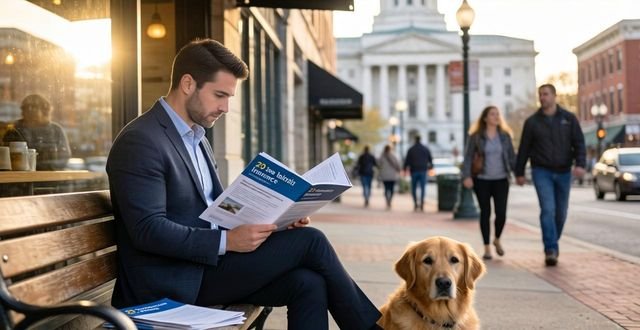
So you are shopping for insurance, and you keep hearing that you should talk to a local agent. But how do you actually find one, state by state, without feeling completely lost? I have been there,staring at a screen full of search results, not knowing who to trust.
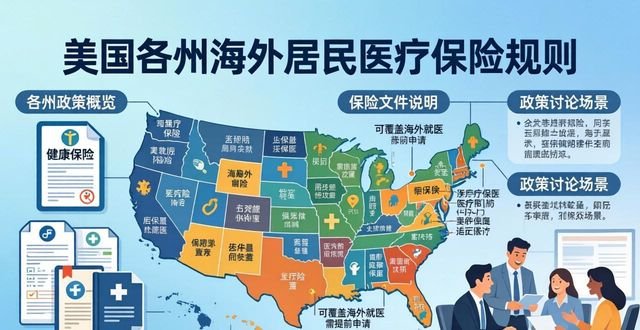
Let us start with the obvious. The insurance market in the US is not one big, happy family. It is a patchwork. What works for your cousin in Texas might be a disaster for you in California. Each state has its own rules, its own insurance department, and its own approved rates. This is why a national call center often cannot give you the nuanced advice you really need.
Take Florida, for instance. Anyone who owns a home there knows the dance. You need a carrier that actually understands hurricane deductibles and the specific wind mitigation credits available in Miami-Dade or Broward. A local agent there lives that reality every single day. They know which companies paid claims quickly after the last big storm and which ones dragged their feet. You cannot get that data from a chatbot.
Now, think about the opposite end. In Michigan, the conversation is all about auto insurance and the catastrophic care association. The laws there changed recently, and the options for personal injury protection levels are frankly confusing. An agent in Grand Rapids spends hours each week just explaining those choices to clients. They know which tier saves you money and which one leaves you exposed.
So how do you actually track down these agents without driving around town? The first trick is to use the state’s own website. Every state has a Department of Insurance. You might think it is just for filing complaints, but most of them have a handy “agent lookup” tool. You type in a zip code, and it spits out licensed individuals in that area. It is a clunky, old-school database, but it is gold. Those are the people legally allowed to sell you a policy.
Then there is the interpersonal route. If you just moved to a new state, ask your real estate agent. Those folks talk to insurance agents every single week. They see the good, the bad, and the ugly when a home inspection turns up a faulty roof. A realtor is not going to send you to a flaky agent because it messes up their commission check. That is a powerful filter.
When you sit down with an agent, either on Zoom or in a small office cluttered with paper, pay attention to how they ask questions. Are they just trying to get a price? Or are they asking about your dog’s breed? Believe it or not, that matters a lot. In Ohio, a bite from a Labrador might be fine, but a bite from a Belgian Malinois could be a problem depending on the carrier. A sharp agent knows those underwriting guidelines by heart.

Also, don’t ignore the independent agents versus the captive ones. A captive agent works for one company. If you walk into a State Farm office, they will show you a State Farm product. That is fine. But an independent agent in, say, North Carolina shops across twenty different mutual companies. If you have a trampoline in the backyard and a teenager with a permit, the independent agent is the one who knows which regional carrier has an appetite for that risk right now.
Let me share a quick personal bit. I once helped a friend look for renters insurance in Kansas. The online quotes were all over the place. We stopped using the big aggregator sites and called a small agency in Wichita. The agent picked up on the second ring. She asked, “Do you have a sump pump with a battery backup?” We had no idea. She explained that in that specific zip code, sewer backup claims happened every spring. The online quotes didn’t even mention that coverage. We added it for four dollars a month. Six months later, a pipe burst. That little add-on paid for the hotel stay. You cannot get that specific advice from a faceless form.
Another scenario is for the pet owners out there. If you are looking to bundle your home and auto, ask about the pet medical coverage. Sometimes it is a cheap rider. In a state like Arizona, where rattlesnake bites are a real trip to the emergency vet, a local agent is the one who says, “Add the pet rider, and also upgrade your liability for the pool.” A national agent might just sell you the basic package and move on.
Do not be afraid to change agents. I know people feel loyal, but it is a business contract. If your current agent never returns your calls or only sends mass emails, fire them. The beautiful thing about the state-by-state system is the competition. In a crowded market like New York or New Jersey, there is always another agency three blocks away that wants your business.
Remember to check the licensing history. That state database we talked about earlier? It also shows disciplinary actions. If an agent has a pattern of complaints for unpaid claims or bad faith, you will see the public record. It takes five minutes to verify, but it saves you a year of regret.
At the end of the day, insurance is a promise. You want that promise held by someone who knows the lay of the land. The right state agent is your interpreter. They translate the dense legal jargon into plain English. They tell you when the state minimum coverage is a trap. And they answer the phone on a Saturday morning when you are standing in a puddle of water. Start with the state lookup tool, ask the right questions about your specific risks, and trust your gut. The person who asks about your dog’s name is probably the one who will actually read your policy when you need it most.

Leave a Reply