You just bought that three-bedroom ranch in Arizona, and the premium quote comes in at under a grand. Feels good, right? Then your cousin in Florida texts you his renewal notice for a similar sized house, and you choke on your coffee. It’s over five thousand. Welcome to the wild, fragmented reality of us insurance by state for single family homes, where your zip code is basically the oracle that decides your fate.
Let’s crack this open by looking at the coastline first, because water is where the story gets expensive. If your single family home sits anywhere near the Gulf of Mexico or the Atlantic seaboard, say Louisiana or Florida, you have already entered the high-stakes zone. The data here is brutal. Florida accounts for nearly eighty percent of all property insurance lawsuits in the country, yet only nine percent of claims. Do the math. That litigious environment, stacked on top of category five hurricane risks, forces insurers to either jack up rates or flee the state entirely. You end up with Citizens, the state-run insurer of last resort, which now holds over a million policies. It is a beast built by necessity, not efficiency.
Then move your mental map to the middle, the tornado corridor. Oklahoma, Kansas, Nebraska. For a single family home there, your enemy is not saltwater surge but straight-line winds and hail the size of golf balls. The premiums here are less about lawyers and more about raw replacement cost volatility. A roofing claim in Texas after a spring storm? That can flip your loss ratio from profitable to disastrous overnight. Insurers respond by writing policies with higher wind deductibles, often two percent of the dwelling coverage. So on a three hundred thousand dollar home, you pay the first six grand out of pocket before they lift a finger. It is a quiet, cold calculus that many homeowners only discover when they are already standing in a pile of debris.
Now look west. California. Fire. The paradigm shift is dramatic. For years, the Golden State kept premiums artificially stable through Proposition 103, which gave the insurance commissioner power to roll back rates. But after the 2017 and 2018 fire seasons that erased entire towns like Paradise, the math broke. Insurers like State Farm and Allstate stopped writing new policies for single family homes in high-risk brush areas. They did not raise prices; they just left. What remains is the FAIR Plan, a barebones policy that covers fire but not water damage from a burst pipe or liability if someone trips on your walkway. You then need a separate DIC policy, difference in conditions, to patch together full coverage. The cost? Often double or triple what you paid three years ago. And the waitlist for a quote can stretch six weeks. It is a slow-motion crisis hiding behind perfect weather headlines.
Let’s swing back to the stable zone. Ohio,Iowa, upstate New York. These places are the boring dream for any actuary. No hurricanes, almost no earthquakes, limited wildfire risk. A single family home in Columbus or Des Moines will get you a premium that barely moves year to year. Why? Predictable claims. Water damage from a frozen pipe in January, sure. A tree falling on a garage in a thunderstorm, okay. But no catastrophic clustering that wipes out a whole zip code at once. The competition among insurers here is fierce, and you as the homeowner benefit. A standard HO-3 policy with decent liability limits might run twelve hundred bucks annually. You can shop that around to three different agents and get quotes within fifty dollars of each other. That is a market in balance.
But here is the twist that nobody tells you. Even within the same state, the microclimate of your specific single family home matters more than the macro trends. Two identical houses, ten miles apart, can have massively different premiums if one sits in a designated flood zone and the other does not. Or if one is near a fire station with a class two rating while the other relies on a volunteer department with class nine. The insurance by state data gives you the baseline, the vibe check. The real work is in the address-level underwriting.

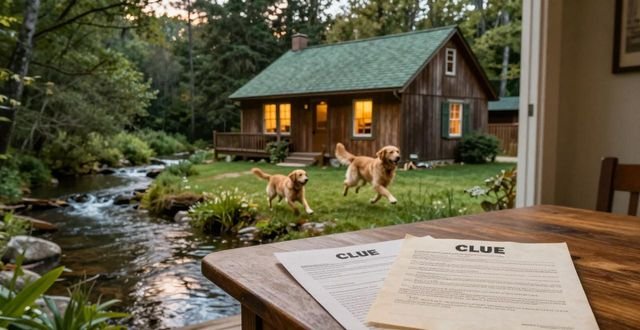
So what do you do with all this fragmented reality? You stop thinking of insurance as a commodity and start seeing it as a map of hidden risks. Before you buy that charming fixer-upper on the creek in North Carolina, pull the loss history for the property. Ask for a CLUE report. That one document tells you if the previous owner filed claims for mold, water backup, or sinkholes. In many states, that history follows the house, not the owner. You could inherit a leaking problem without inheriting the memory of it unless you ask.
And here is a pro move that most technicians miss. Look at the legislative landscape of your state. Is your insurance commissioner elected or appointed? An elected commissioner in a coastal state will fight rate increases publicly because homeowners vote. But that fight might drive private carriers away, shrinking your choices. An appointed commissioner in a midwestern state might quietly approve a fifteen percent hike while also mandating broader coverage for sewer backup. Which outcome do you actually want? Lower headline numbers or better protection when shit literally backs up into your basement? The answer is not the same for every single family home owner.
You also need to watch the reinsurance market. That is the insurance that insurers buy. When global reinsurers like Munich Re raise their rates because of climate modeling, your local State Farm agent feels that pressure twelve to eighteen months later. It is a slow wave that crashes ashore during renewal season. In 2025, reinsurance rates for U.S. catastrophe exposure jumped by nearly thirty percent. That wave is currently moving through the state filing systems right now. Expect your next renewal notice to carry a heavier number, even if your house did nothing wrong.
This brings us to the quiet conclusion that loops back to where we started. That cousin in Florida with the five thousand dollar premium? She has no choice. The geography dictates the math. But you in Ohio? You have leverage. You can raise your deductible from one thousand to two thousand five hundred and cut your premium by eighteen percent. You can install impact resistant windows and drop another nine percent. You can bundle your auto policy and save six percent more. These are micro moves, but they compound. And they only work in a state where insurers actually compete for your business.
The single family home is just a structure of wood and drywall. But the insurance by state framework is a living document of risk, regulation, and human behavior. Read it like a technician. Navigate it like a local. And never, ever assume that what works in Texas will work in Oregon. The map changes. Your strategy should too. What does your state data tell you? Pull up your declaration page tonight. Look at the wind deductible. Look at the loss of use coverage. That fine print is the real conversation.



Leave a Reply