
Welcome to the grand, unpredictable theater of homeownership. The stage is your living room, the costuming is your monthly budget, and stealing the scene is your homeowners insurance premium. Across the fifty states of this production, the plot, and more importantly the price, changes dramatically. Let’s pull back the curtain on the regional price differences for this non-negotiable backstage pass.
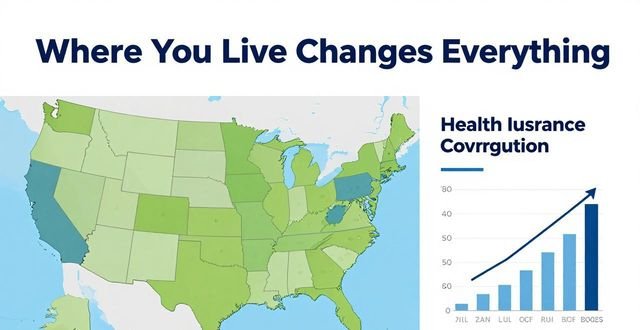
Silently climbing there are the annual premiums. A far cry from those advertised “cheap” quotes you might see in pop-up ads, which often represent bare-bones policies with deductibles high enough to make a claim pointless. The real number averages just over $1,900 nationally as of last season. Yet, this single figure is a misdirection. Truly understanding the cost requires a state-by-state spotlight. In a gentle coastal state like Oregon,you might pay a relatively serene $1,100. Venture into the elements of wind-swept Oklahoma, however, and be prepared for a premium that can easily triple that amount. The contrast couldn’t be starker. Why the dramatic range? It’s a complex equation of risk, exposure, and local market forces.
Consider the primary antagonists: weather and climate. Your home’s location dictates its starring role in potential disaster scripts. Is your property in a wildfire-prone canyon in California? A hurricane alley in Florida? A tornado corridor in the Plains? Insurers are not in the business of losing money. They price policies based on historical data and projected losses. The higher the perceived risk of a catastrophic claim, the higher your premium. It’s that simple, and that expensive. “An ounce of prevention is worth a pound of cure,” as the old saying goes, but in this case, the prevention is baked into your rate. You’re paying for the collective risk of your entire neighborhood, your county, your state.
Now, let’s shift the focus to you, sitting in your own home. What determines your personal ticket price? Beyond your zip code, insurers scrutinize your home’s age, construction materials, and the condition of critical systems like roofing and plumbing. An older home with original wiring is a greater fire hazard than a new build with modern circuits. A brick house may fare better in high winds than a wood-frame structure. Your claims history, and even your credit-based insurance score in most states, play a supporting role. Have you filed multiple small claims for water damage? That signals a pattern. Is your credit less than stellar? Statistically, insurers correlate this with a higher likelihood of filing a claim. It’s a cold calculus, but it’s their script.

So, how do you, the protagonist, navigate this costly production? You must become a savvy director of your own financial scene. Start by understanding the coverage you actually need. Do you require guaranteed replacement cost, or will functional replacement cost suffice? Are you over-insuring the land value? Next, shop around and compare not just the price, but the policy details. A slightly higher premium from a company with stellar customer service and a robust financial rating is often a better value than the rock-bottom offer from a no-name carrier. Bundle your auto and home policies. Increase your deductible to a level you can comfortably afford in an emergency. Install mitigation devices like storm shutters, hail-resistant roofing, or a monitored security system. Insurers often provide discounts for these proactive measures.
Think of it this way. Paying for homeowners insurance is not an optional plot point; it’s the fundamental safety net for your largest asset. The cost may feel like a burden, a recurring nemesis in your financial story. But weigh it against the true villain: total financial ruin from a single event. A devastating fire, a tree through the roof, a burst pipe that floods your entire first floor – these are not mere plot devices. They are real-life catastrophes that happen every day. Without that policy in place, you are the sole underwriter for that loss. Can your savings account handle a six-figure rebuild? For most, the answer is a resounding no. That policy premium, therefore, transforms from a villain into a necessary guardian, buying you peace of mind and financial resilience.
The final act is execution. Don’t merely renew your policy each year without a second thought. Your situation changes. Home values fluctuate. New competitors enter your local market. A broker can be invaluable, shopping multiple carriers on your behalf. Remember, the goal is not necessarily the absolute cheapest policy. The goal is adequate, reliable coverage at a competitive price for your specific risk profile in your specific state. This requires annual review and occasional negotiation. Your home is your castle. Ensuring it doesn’t become a financial ruin in a storm, literal or figurative, is the most critical role you’ll play.



Leave a Reply