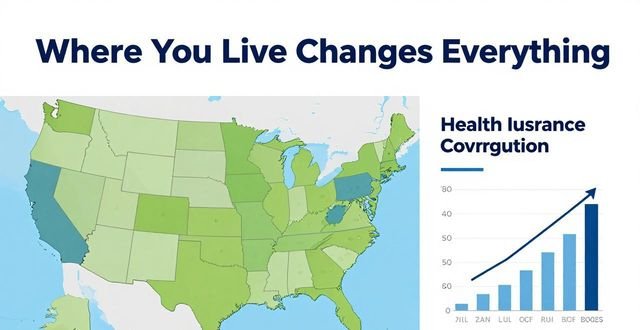
Have you ever sat there, staring at an open enrollment spreadsheet, wondering why your friend in Michigan pays half what you do for what looks like the exact same coverage? You are not imagining things. Into the labyrinth of state-based marketplaces you go, where the rules of the game flip entirely depending on your zip code. What works like a charm in Texas might leave you utterly stranded in California, and that beloved PPO plan your neighbor raves about in Illinois? It simply does not exist in Massachusetts.
Let us start with a truth most comparison articles tiptoe around. The Affordable Care Act created a federal backbone, yes, but each state then built its own nervous system. Some states embraced expansion with the enthusiasm of a startup founder. Others dug in their heels, and you feel that friction directly in your monthly premium. For you, the person actually trying to use this stuff when a fever hits at 2 AM or when that weird knee pain just will not quit, the difference is not abstract economics. It is the texture of your daily life.
Take Florida, for instance. The land of humidity, retirees, and a health insurance market that operates like a jungle ecosystem. Down there, you will find plenty of national carriers like Florida Blue and Cigna battling it out. But here is the catch. Because Florida did not expand Medicaid the way some other states did, you have a massive pool of people who just barely earn too much for assistance but struggle to afford a silver plan. The result? A lot of short term plans masquerading as real coverage. Read that fine print like your life depends on it,because in a sudden emergency, those plans can leave you holding a bill that looks like a mortgage statement. The best game in town for true ACA compliant coverage often ends up being Florida Blue’s HMO network, but prepare yourself for narrow provider lists. That specialist you love? Call first.
Now swing your gaze to California and its Covered California marketplace. This is a different creature entirely. The state flexed its regulatory muscles early. You get standardized plan designs, which means a Bronze plan from Blue Shield is structurally similar to a Bronze plan from Health Net. That makes comparing apples to apples actually possible, a miracle you will appreciate after wrestling with other states. Because California mandates more generous benefits, your monthly check might bruise the wallet a bit more, but the trade off is predictability. No surprise denials for emergency room visits, no weird exclusions for mental health therapy. For a freelancer or a small business owner whose income jumps around like a caffeinated rabbit, the subsidy calculator here works smoothly. You can actually estimate your tax credit without needing a PhD in actuarial science.
But then you cross into Texas. Oh, Texas. Everything you heard about independence and deregulation? It lives here in the health insurance market. The state did not set up its own exchange, so you default to the federal HealthCare.gov platform. Sounds fine in theory, but the practical reality is thinner competition. In many Texas counties, you might look at the options and see only two carriers, sometimes just one. In rural West Texas, your choice could literally be a single Molina plan with a network so tight you wonder if there is a secret handshake required. The creative workaround that savvy Texans use? They look at catastrophic plans if they are under 30, or they get very, very cozy with a good local independent broker. Because when only one bronze plan exists in your county, you need someone who understands the appeals process before you ever sign a document.
New York operates like a warm hug of regulation, but that hug costs money. The state forces community rating, which means insurers cannot charge you more for being a woman or having a pre existing condition. Great, right? Yes, but the premium curve flattens across everyone, so young healthy people pay more to subsidize older sicker people. If you are a twenty something yoga instructor in Brooklyn, staring at those numbers might make you wince. Yet the benefit is astounding stability. Your coverage does not vaporize if you switch jobs. Maternity coverage is baked in. Mental health parity is real. Empire Blue Cross and Oscar have carved out interesting niches here, with Oscar leaning hard into the tech friendly, telehealth heavy experience. For you, the chronically online person who wants to text a doctor at midnight, that app based interface feels like sanity.
What about the middle of the country? Minnesota throws a curveball with its quasi public option called MinnesotaCare. You have to see it to believe it. It functions as a subsidized program for working people, but private insurers also sell plans on the MNsure marketplace. The trick to surviving here is understanding the distinction between Medical Assistance and Qualified Health Plans. Many people cross that line without realizing it. You might apply thinking you earn too much for help, only to discover Minnesota’s thresholds are more generous than federal standards. The best health insurance by state often hides in that overlap zone. Do not assume you know what you qualify for. Just run the application. The system might surprise you with a silver plan that costs forty bucks a month after advanced premium tax credits.

Throughout this journey, one pattern screams for attention. The term best health insurance literally cannot mean the same thing from Phoenix to Portland. In Arizona, you might prioritize heat stroke coverage and access to urgent cares that stay open late. That is a real life concern when summer hits 115 degrees. In Oregon, you might care more about mental health and alternative medicine, because the culture there integrates acupuncture and naturopathy into routine care. Kaiser Permanente, that vertically integrated behemoth, shines in Oregon and California but fizzles in states where its clinic density drops. For you, the person who hates waiting on hold for referrals, Kaiser’s everything in one building model either feels like utopia or a prison. There is no in between.
Let us talk about the ghost in the room, the paradox of choice. When you scroll through a marketplace and see forty plans, analysis paralysis will freeze you. When you see only three, you panic that you missed something. The human brain does not handle either extreme well. What actually works is a filtering strategy. First, decide if you need a specific doctor or hospital system. That single question eliminates eighty percent of plans instantly. Second, calculate your estimated annual usage. Do you go to the doctor twice a year for colds, or do you manage a chronic condition that requires monthly specialist visits? Those two different lives require opposite plan designs. High deductible with an HSA makes beautiful sense for the first person. For the second person, a gold plan with a lower out of pocket maximum is not a luxury, it is survival arithmetic.
The seasonal rhythm matters more than you think. Open enrollment runs in a tight window, but qualifying life events blow that window wide open. Moving to a new state counts. Losing job based coverage counts. Getting married or divorced counts. People forget these triggers all the time. You do not have to wait until November to fix a bad plan if your life actually changed. The system, for all its headaches, does build in these escape hatches. Use them.
If you live in a state that refuses to expand Medicaid, you face the most brutal gap. Earning below the federal poverty line but above nothing leaves you in a dead zone where subsidies become inaccessible. For you, the only play is moving or praying for a legislative shift. That sounds glib, but it is the honest truth. Community health centers and nonprofit hospital financial assistance programs become your real safety net. The paperworks stacks high, and the patience required exceeds what most humans possess, yet those programs do exist. They just do not advertise themselves.
Watch out for the network shuffle. Insurers love to change their provider directories every January. That dermatologist you loved? She might drop out of network without sending you a single postcard. The defensive move is to verify, not once, but twice. Check the insurer’s website. Then call the doctor’s office directly. When their answers match, you can breathe. When they contradict each other, trust the doctor’s office. They know who actually pays them.
As you piece together your own map of best health insurance by state, remember that subsidies change everything. A plan that costs $600 per month without assistance might drop to $90 after the premium tax credit. You cannot judge a plan by its sticker price alone. Run your estimated income through the marketplace calculator first. Let the numbers teach you what you can afford. Sometimes a silver plan with cost sharing reductions beats a gold plan even though the gold plan looks sexier on paper. The reductions lower your deductibles and copays dramatically if your income falls in that sweet spot between 150 and 200 percent of the poverty line. That is the true hack. That is where the system actually helps you.
You are not just buying insurance. You are buying access to a specific patchwork of hospitals, a particular formulary of drugs, a certain tolerance for paperwork. The best plan in North Carolina would fail you in Nevada because the networks do not travel. Accept that locality is destiny here. Stop searching for a national answer. Start searching within your county. The peace you seek lives in those hyper local details, not in a glossy ranking from a website that has never filed a claim in your name.




Leave a Reply