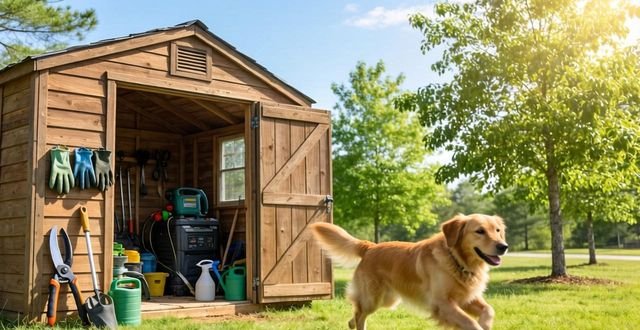
So, you’ve got a home, and it’s got a shed. Maybe it’s a charming little backyard workshop, or perhaps it’s just where the lawnmower sleeps. Ever wondered: does my home insurance actually cover that thing? What if a storm rips its roof off, or a tree falls on it? The answer, friend, isn’t simple—it dances wildly from state to state. Let’s talk real talk, minus the corporate jargon.
Why is a shed such a big deal for insurers?
Think about it from their perspective. A shed isn’t just four walls and a roof; it’s an additional structure, often storing tools, equipment, or even a vintage motorcycle. It represents extra liability and property value. Insurers ask: Is it properly secured? What’s its primary use? In Florida, with its hurricanes, an unanchored shed is a projectile waiting to happen. In wildfire-prone California, a wooden shed near brush is a severe hazard. The risk calculation shifts dramatically with your zip code.
How do coverage rules change across states?
Let’s take a data-driven walk. In Texas, a standard HO-3 policy might include “other structures” coverage, typically set at 10% of your dwelling limit. But is that enough? If your home is insured for $300,000, your shed and fence share a mere $30,000. Now, compare that to New York, where underwriting can be stricter—especially in coastal areas. Some carriers may demand a separate rider if the shed’s value exceeds a certain threshold, say $10,000. In Midwestern states like Ohio, where tornadoes are a seasonal guest, insurers might scrutinize the shed’s construction materials. A metal shed? Possibly a lower premium. A rustic wooden barn? Expect a different rate.
What are the hidden pitfalls most homeowners miss?

Here’s a critical oversight: assuming all contents inside are covered. Most policies extend personal property coverage to items in detached structures, but with limits. High-value items like power tools or sporting equipment often have sub-limits. A $5,000 riding mower stolen from your Georgia shed might only be reimbursed up to $1,500 unless you’ve scheduled it separately. And liability—oh, the liability! If a neighbor’s child gets hurt playing in your Colorado shed, you could be facing a lawsuit. Does your policy have adequate liability limits? In litigious states like Illinois, skimping here is a gamble.
Can you actually save money while staying protected?
Absolutely. It starts with an honest assessment. Document everything: take photos of the shed’s exterior and interior,list all stored items with their values. When shopping for quotes in Pennsylvania versus Oregon, ask specific questions: “What’s the exact coverage for detached structures? Are there any exclusions for wind or water damage specific to my area?” Consider bundling your auto and home insurance; in many states, this can unlock discounts of 15% or more. Also, investing in preventive measures—like installing a deadbolt in Washington or storm shutters in Alabama—can lead to premium credits. It’s not just about finding the cheapest rate; it’s about value alignment.
What does the future landscape look like?
The insurance market is reacting to climate volatility. In coastal states, carriers are increasingly excluding certain perils or raising deductibles for wind/hail. In the interior, wildfire and flood endorsements are becoming more common—and more expensive. The savvy homeowner must adopt a proactive stance. Regularly review your policy at renewal. Has your shed’s usage changed? Did you add a workbench or electrical wiring? Update your insurer. The relationship should be dynamic, not a set-and-forget document.
Ultimately, insuring a home with a shed across the U.S. is a lesson in hyper-local awareness. It demands you move beyond a one-size-fits-all mindset. Your shed is a testament to your lifestyle—whether it’s a hobby haven or simple storage. Protect it with the same diligence you apply to your main dwelling. Because when the unexpected arrives, that little structure’s fate shouldn’t be an afterthought.



Leave a Reply