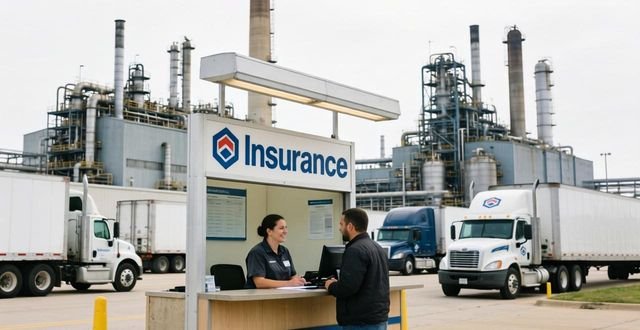
So you are running a small business in Texas and suddenly realize your general liability policy from a national carrier might not cut it. Or maybe you are in California, dealing with high worker comp requirements, and every local agent keeps pointing you to the same three names. The truth is, the best commercial insurance company for your shop or startup changes the second you cross a state line. That is not just marketing talk.
Take New York. The regulatory environment there is a beast. You will find that The Hartford and Travelers dominate the conversation among restaurateurs and retail owners. Why? Because these two have been handling New York’s strict labor laws and dense liability risks for decades. A friend who runs a coffee shop in Brooklyn switched to Travelers last year and saved nearly twenty percent on his package policy. Meanwhile, across the river in New Jersey, smaller manufacturing firms lean heavily on CNA and Liberty Mutual. The difference comes down to how each state handles workers’ compensation and commercial auto.
Now drive down to Florida. Any business owner near Miami or Tampa will tell you about the windstorm and flood exclusions that make standard policies almost useless. That is where locals turn to companies like Heritage Property & Casualty or Universal North America. These regional players understand that hurricane season is not a joke. A landscaping company in Orlando might get a competitive quote from State Farm, but the real protection comes from a carrier that writes policies specifically for the southeastern corridor. You will even see some boutique firms offering “named storm” deductibles that national giants refuse to touch.
Head west to California, and the game changes again. Wildfire risk and high payroll costs push businesses toward different names. Next Insurance has grown huge in the Bay Area, especially for tech freelancers and online retailers. But for brick‑and‑mortar operations in Los Angeles or San Diego, Mercury Insurance and Farmers are everywhere. Why? Their claims handling in fire‑prone zones has a reputation that beats the big nationals. A contractor I know in Sacramento had a wildfire damage claim last year. His Mercury adjuster showed up within 48 hours. The same scenario with a cheaper online provider would have taken weeks.
Texas is its own universe. No state income tax means tons of startups, but also a super competitive insurance market. The Texas Mutual Insurance Company is practically a household name for workers’ comp. For general liability and commercial property, you will see AmTrust and Philadelphia Insurance mentioned in every Austin co‑working space. The trick in Texas is that rates vary wildly by zip code because of hail, tornadoes,and the sheer size of the state. A plumbing company in Houston pays different premiums than an IT firm in Dallas, even with the same revenue. National underwriters like Nationwide do well here, but the smartest owners always get a quote from a Texas‑domiciled carrier too.

Do not forget the Midwest. Illinois and Ohio have strong manufacturing bases, so commercial auto and equipment breakdown coverage matter more. Grinnell Mutual is a hidden gem in that corridor, especially for agricultural adjacent businesses. In Chicago, you will hear about The Hanover and Auto‑Owners Insurance from restaurant owners who have been burned by slow payment from bigger brands. One pizzeria owner in Logan Square told me he left Progressive because his claim for a kitchen fire took four months. He moved to Auto‑Owners and said the difference in communication was night and day.
What about the Mountain West? Colorado and Utah have booming construction and cannabis businesses, two high‑risk sectors. Philadelphia Insurance and Markel Specialty are the go‑to names there because they actually understand the weird liabilities of a hemp processing facility or a mountain resort. A roof replacement company in Denver might get rejected by five standard carriers before finding a policy with American Family. The lesson? Your state’s specific risk profile determines who even wants to write your policy.
Here is the practical takeaway. Do not just Google “best business insurance” and pick the first pretty website. Start by identifying the top three claims in your state. Is it weather, labor lawsuits, or auto accidents? Then look for regional carriers that specialize in that exact problem. National brands like State Farm and Allstate are fine for low‑risk consultants, but if you have a warehouse or a food truck, the best company is often the one your neighbor in the same industry uses. And always check the state insurance department’s complaint ratio. That number tells you more than any five‑star review.
So next time you sit down to compare quotes, remember that a carrier rated highly in Oregon might be a disaster in Georgia. The insurance landscape is hyper‑local. Your job is to find the company that has already handled a hundred claims just like yours, right where you operate. That is the real definition of “top business insurance by state.”


Leave a Reply