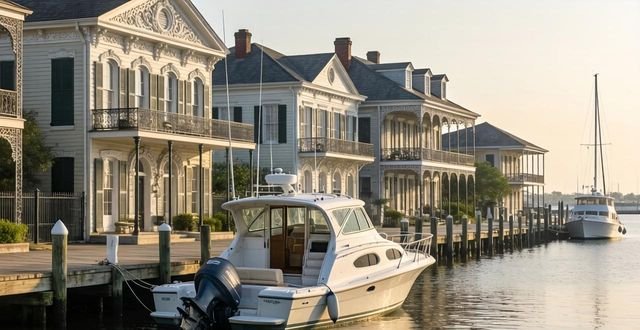
You’ve got the boat. You’ve got the life jackets. You’ve even got that little cooler full of sandwiches. Now let’s talk about the part nobody really wants to talk about. Boat insurance. And not just any boat insurance. The kind that changes depending on which piece of land you happen to park your trailer on. Because yes, your zip code matters almost as much as your engine size.
Imagine living in Florida. You’re surrounded by water, the sun is hot, and everyone and their neighbor owns a bass boat or a center console. That’s exactly why boat insurance rates in Florida are among the highest in the country. More boats on the water mean more accidents. More hurricane seasons mean more claims for wind and storm damage. Insurance companies know this. They price for it. If you’re in Miami or Tampa, you might pay two or three times what someone in Ohio pays for a similar boat. It’s not personal. It’s just math with a little bit of fear mixed in.
Now travel north to a state like Michigan. The Great Lakes are huge, but the boating season is short. You get maybe five or six good months before the water turns into ice. That shorter season lowers your risk in the eyes of insurers. Fewer months on the water means fewer chances for something to go wrong. So rates in Michigan often come in lower than the national average. Same boat,same value, but you’re paying less just because you live where the winter lasts forever. Fair? Not really. But that’s how the system works.
Head out west to California. The Pacific Ocean is beautiful. It’s also cold and full of hidden rocks along certain coasts. But the bigger issue in California isn’t just the water. It’s the liability. California has higher legal minimums for things like property damage and medical payments. That pushes base rates up. Add in the cost of living and the fact that boat theft is a real problem in places like Sacramento and the Bay Area, and you’re looking at a premium that can make your eyes water. A small fishing boat in San Diego might cost more to insure than a midsize sedan.
Texas is another interesting case. Big state, lots of lakes, and a long Gulf Coast. But Texas also has a reputation for sudden severe weather. Storms pop up fast, winds pick up, and boats get tossed around in marinas. Insurance companies operating in Texas have to account for that volatility. So you’ll see rates that are moderate most of the year but can spike if you live near the coast or in a flood-prone area. Some carriers even exclude wind damage unless you buy an extra rider. Read the fine print. Or better yet, ask your agent directly.
New York offers a different kind of headache. Not because of hurricanes this time. Because of population density. Put a boat on Long Island or near the city, and you’re sharing crowded waterways with dozens of other boaters. More boats in the same space equals more fender benders. Plus New York requires higher liability limits than many states. That means your minimum coverage is already more expensive. If you store the boat in a marina near Brooklyn, expect to pay a lot more than someone storing their boat on a trailer in a rural part of the state.
But here’s a surprise. Some states have consistently low rates. Think about places like Iowa, Kansas, or Nebraska. Yes, they have lakes and rivers. Yes, people do boat there. But the density is low, the weather is less extreme in terms of hurricanes or dense fog, and the legal environment is more relaxed. In these states, you might pay as little as two hundred dollars a year for basic liability on a smaller boat. That same policy in Florida could easily be six or seven hundred dollars. Location changes everything.

What about no-fault states? In a few places like Louisiana, the insurance laws are structured differently. Louisiana has a unique legal system based on French civil law, and that affects how claims are handled. Boat insurance there tends to be more expensive than neighboring states, partly because the claims process is more complicated and partly because the state has a high rate of uninsured drivers on the road. That spills over into boat insurance rates indirectly. It’s a reminder that everything is connected.
You might be thinking, okay, so how do I actually check rates for my state? Start with your boat’s hull value. That’s the biggest factor after location. Then get quotes from at least three different carriers. Some regional companies focus only on boat insurance in specific states and can offer better prices than the national giants. For example, in North Carolina, a local mutual insurer might beat Progressive or Geico by a solid margin. In Washington state, companies that specialize in fishing boats have better rates for aluminum hulls.
Also consider how you use the boat. Do you keep it in the water year round or on a trailer in your garage? Marinas increase risk because of theft, vandalism, and weather exposure. A dry storage facility is safer. Do you take the boat out into open ocean or stick to rivers and small lakes? Offshore use comes with higher rates because rescue costs are higher. Do you have a clean driving record on the water? Some states require boating safety courses. Completing one can drop your premium by ten to fifteen percent.
Don’t forget about agreed value versus actual cash value policies. This isn’t directly about state rates, but it changes your final price a lot. Agreed value means you and the insurer settle on a number before anything happens. If the boat is totaled, you get that number. Actual cash value means they subtract depreciation. A ten year old boat might be worth almost nothing on paper, even if it runs perfectly. For older boats, the difference in premium between these two options can be huge. And some states have rules about which type is more commonly offered.
One last thing. Insurance rates change every year. A state that’s cheap today might not be cheap next year after a bad storm season or a new state law. For instance, after Hurricane Ian hit Florida in 2022, many boat insurers raised rates or stopped writing new policies altogether for coastal counties. That kind of event reshapes the whole market. So if you see an article online listing average rates by state from three years ago, treat it as a rough guide at best. Go get fresh quotes. Talk to a local agent who knows your specific area.
At the end of the day, the number on your boat insurance bill is a story about where you live. It’s about weather patterns you didn’t choose, laws you didn’t write, and risk calculations made by people you’ll never meet. But understanding that story gives you the power to shop smarter. So check your state’s average rates. Compare them to neighboring states. And if you’re really feeling adventurous, ask yourself whether moving your boat to a cheaper storage location across state lines might actually save you real money. People do it. You can too.


Leave a Reply